 0
0
 0
0
As spring approaches, many allergy sufferers brace themselves for the familiar symptoms: a runny nose, itchy eyes, and constant sneezing. But relief isn’t always waiting behind the front door. For countless people, allergens such as pollen, dust, and mites continue to trigger discomfort even indoors. Everyday activities like cleaning can make matters worse by stirring up fine particles that linger in the air. With a few smart strategies, however, the allergen load at home can be significantly reduced.
The First Line of Defense Starts at the Door
Pollen often enters homes in the most ordinary ways—clinging to clothing, shoes, or even pets. Experts recommend keeping the entryway clean and removing shoes immediately upon entering. Installing pollen screens on windows can also help keep airborne allergens from drifting inside during peak pollen season.
Why Traditional Dusting Makes Things Worse
Many people instinctively reach for a feather duster when cleaning, but for allergy sufferers, this can be counterproductive. Instead of removing dust, dry dusters tend to lift particles into the air, where they can easily be inhaled. A better approach is to wipe surfaces with a slightly damp cloth, which traps dust, pollen, and mites more effectively.
Vacuuming the Right Way
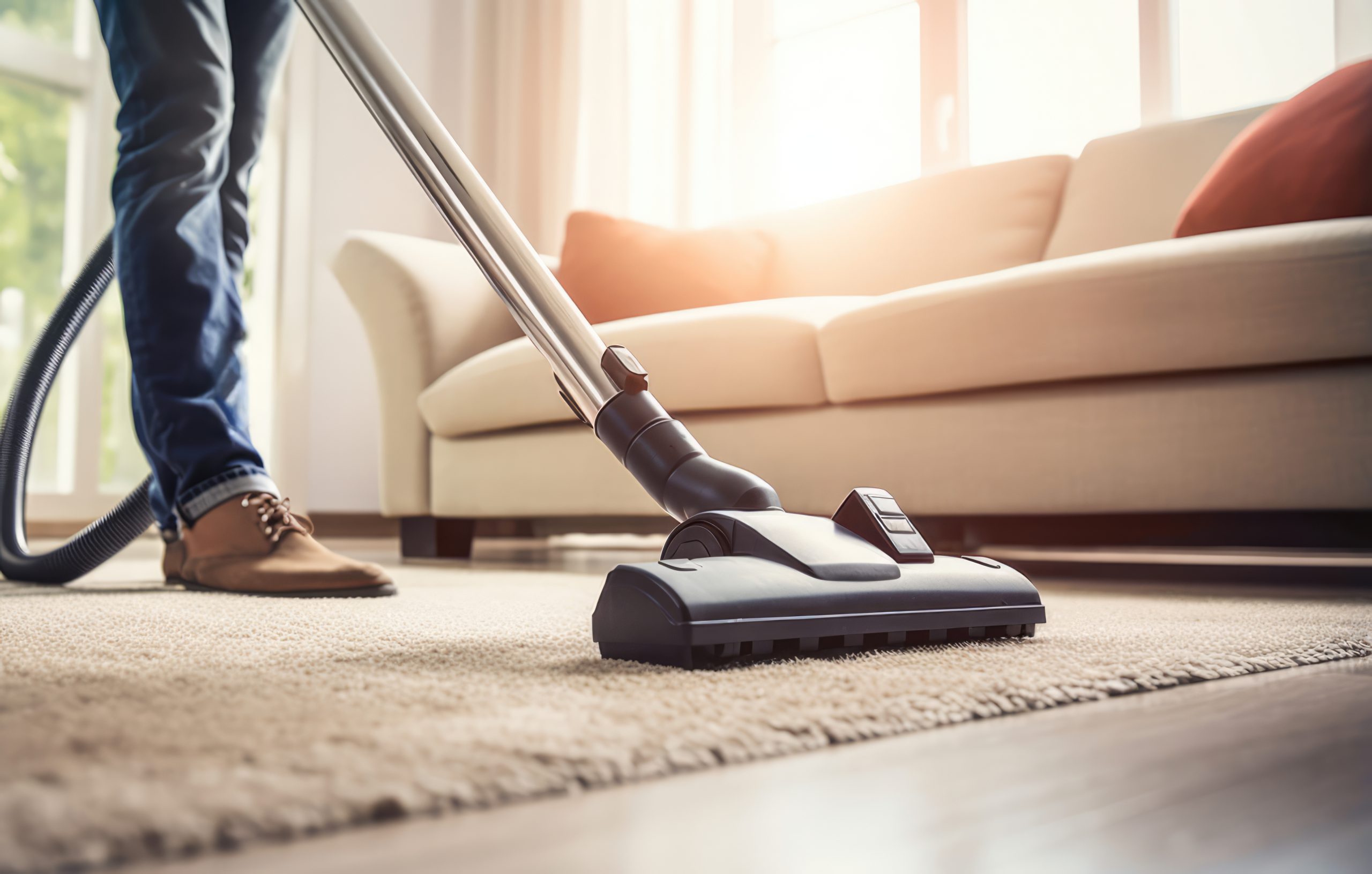
Vacuuming is often more efficient than dusting—provided the right equipment is used. Vacuums equipped with HEPA filters can capture even microscopic particles, preventing them from being released back into the room through the exhaust. Regularly vacuuming carpets, upholstery, and floors can noticeably reduce allergen exposure.
The Bedroom: A Hotspot for Allergens
Bedrooms are particularly prone to dust accumulation. Household dust is a mix of skin flakes, textile fibers, and mite droppings—an ideal environment for dust mites. These tiny creatures thrive in mattresses, carpets, and upholstered furniture. Washing bedding frequently and using allergen‑proof mattress covers can help keep mite populations under control.
Choose Cleaning Products Wisely
Not all cleaning products are allergy‑friendly. Strongly scented or harsh chemical cleaners can irritate sensitive airways and worsen symptoms. Specialists advise opting for mild, fragrance‑free products or natural alternatives such as vinegar or citric acid. These gentler options clean effectively without adding unnecessary irritants to the air.
- source: heute.at/picture: Image by wastedgeneration from Pixabay



This post has already been read 4913 times!